Expert Fence Installation Options for Residential and Commercial Properties
Custom fence installation solutions play a vital part in transforming both residential and commercial properties. They offer security, privacy, and aesthetic appeal while establishing clear property boundaries. With a wide range of materials to choose from, homeowners and business owners can find options that meet their requirements. Professional installation guarantees compliance with local codes. Yet, the advantages go far beyond simple installation—knowing how to select the appropriate design and material can significantly influence the property's worth. What factors should one consider when making these choices?
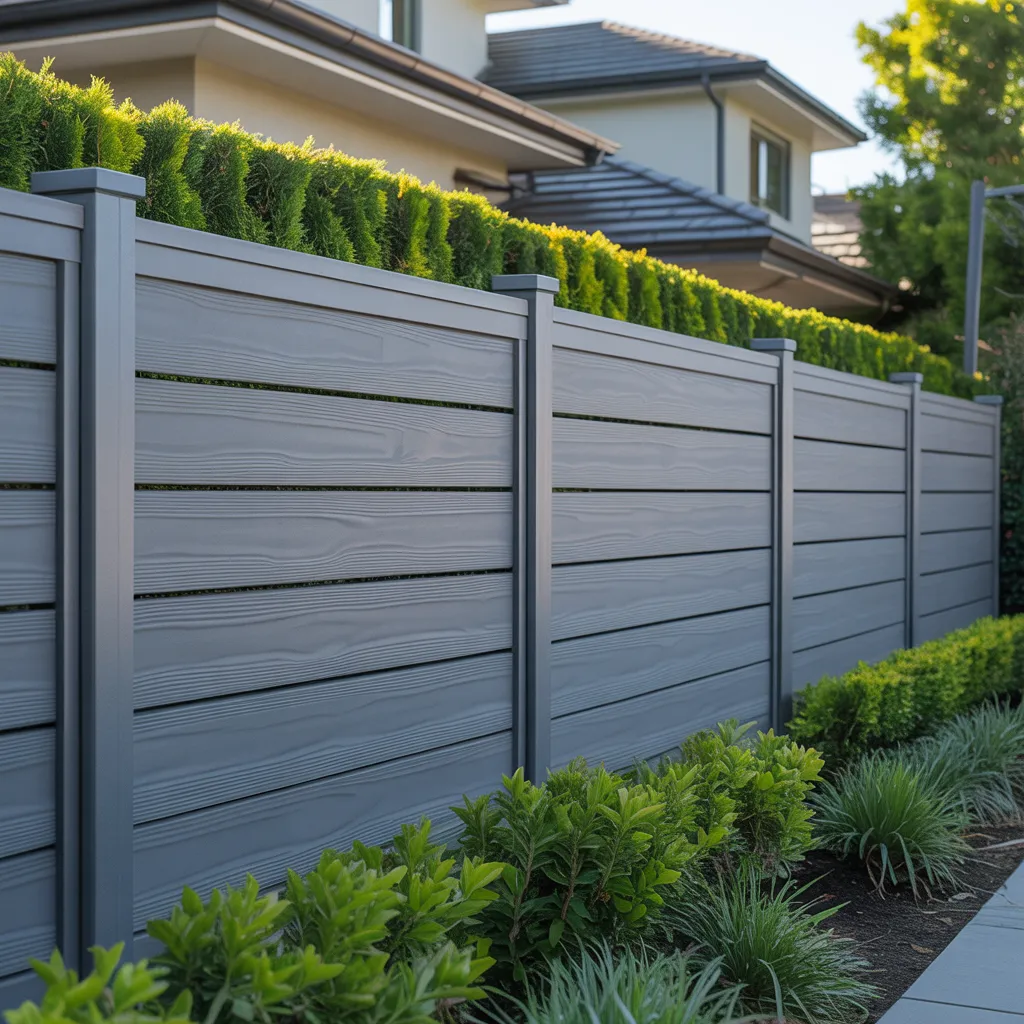
How Custom Fences Benefit Your Property
When considering residential upgrades, many homeowners find that custom fences are not simply a decorative option but an essential investment. Custom fences provide various benefits that go beyond aesthetics. They enhance security by forming a tangible barrier that deters intruders and keeps children and pets safe. Furthermore, these fences ensure privacy, allowing homeowners to enjoy their outdoor spaces without prying eyes.
In addition, tailored fence installations can define property lines, minimizing boundary disputes with adjacent property owners and ensuring compliance with local regulations. They likewise improve the general market value of the property, boosting its appeal for interested buyers.
When it comes to functionality, custom fences may be built to meet particular requirements, such as gates that provide convenient entry or features that enhance landscape design. When all is considered, opting for a custom fence represents a wise investment that offers numerous benefits, strengthening both the property's functional value and its visual appeal.
Popular Fencing Materials Compared: Wood, Vinyl, and Metal
When considering fencing options, metal, wood, and vinyl each provide notable pros and cons. Price comparisons reveal significant differences in upfront costs and long-term upkeep costs. Recognizing these elements can help property owners make informed decisions tailored to their needs.
Benefits And Drawbacks
Several fencing material options, like wood, vinyl, and metal, all offer unique benefits and drawbacks that can influence a homeowner's choice. Wood is often favored for its organic appeal and adaptability but requires regular maintenance to protect against rot and infestations. Vinyl, by comparison, is simple to care for and protective against fading and infestations, establishing it as a dependable lasting investment; however, it could fall short of the natural warmth of wood. Metal fencing, such as aluminum or wrought iron, ensures solid security and extended lifespan but may come at a higher cost and may require occasional maintenance to prevent rust. Every material offers distinct qualities, enabling homeowners to evaluate their particular requirements and desires when determining the best fencing alternative.
Pricing Comparisons
As homeowners commonly emphasize aesthetics and functionality when selecting fencing materials, cost remains a critical factor in the decision-making process. Timber fencing commonly provides a more affordable upfront cost yet demands regular upkeep, which can increase long-term expenses. In contrast, vinyl options, though more expensive initially, deliver resilience and reduced upkeep requirements, making them a cost-effective choice over time. Metal fence varieties, including aluminum and steel, generally demands a more substantial initial expense but is renowned for its longevity and resistance to weather-related damage, thus minimizing long-term repair expenses. Ultimately, the comprehensive cost assessment—factoring installation, maintenance, and lifespan—must help residents in choosing the most appropriate fencing option for both personal and commercial applications.
Picking the Perfect Fence Design for Your Yard
Choosing the ideal fence option for a yard can considerably improve both the aesthetics and functionality of a property. Property managers and homeowners must assess multiple factors when selecting a design, including the primary function of the fence, local regulations, and the design aesthetic of the property. Privacy-focused fence designs, for instance, are ideal for establishing private outdoor spaces, while traditional picket fences often improve curb appeal and offer a charming aesthetic.
Material choices also play a significant role; wood delivers a timeless aesthetic, while vinyl or metal can offer long-lasting performance and minimal upkeep. Moreover, hues and styles should align with the nearby landscape and surrounding structures. At the end of the day, a well-chosen fence design not only marks boundaries but also adds to the overall character of the property, making careful consideration vital for reaching the intended results.
Why You Should Opt for Professional Fence Installation
Choosing professional fencing services guarantees that the project is finished with skill and precision. Professional fencing specialists hold the essential abilities and background to handle the complexities of various fencing materials and designs. They are knowledgeable about local construction codes and property regulations, securing compliance and eliminating potential regulatory concerns.
Additionally, working with skilled installers typically results in a more efficient installation process, as they have access to professional-grade tools and supplies. This capability not only saves time but also limits inconvenience to the property owner's daily routine. Furthermore, professional installers can deliver expert advice and tailored solutions designed for the specific needs of the residence, enhancing overall satisfaction.
Finally,investing in professional services typically offers service warranties, offering assurance concerning the durability and longevity of the fence. In summary, choosing professional fencing services is a wise decision for all types of properties, delivering a superior outcome.
In What Ways Does Custom Fencing Improve Security?
Custom fences serve a vital purpose in enhancing security for both residential and commercial properties. By creating a solid physical barrier, it helps prevent trespassers and unauthorized individuals from gaining access. The height, material, and design of custom fences can be tailored to meet specific security needs, making it difficult for intruders to climb over or break through.
In addition, a wide range of customized fencing solutions can be integrated with cutting-edge security systems, such as access points outfitted with locks, surveillance cameras, or motion sensors, providing an enhanced layer of protection. The appearance of a expertly crafted fence can further serve as a clear warning signal, leaving properties less attractive marks for illegal activities.
Moreover, custom fencing is able to be engineered to obscure visibility into the property, limiting the information potential intruders might gather. Overall, investing in custom fencing greatly enhances the security posture of any property, delivering a sense of security for owners and inhabitants alike.
Enhancing Curb Appeal With Custom Fencing
A well-designed fence can notably improve the overall aesthetic appeal of a property, quickly refreshing its exterior. Custom fencing solutions offer a wide range of materials, styles, and finishes that can complement the structural characteristics of a dwelling or enterprise. No matter if you select a conventional picket enclosure, a sleek modern design, or a natural timber fence, the appropriate decision can enhance the overall aesthetic.
In addition, custom fences can be crafted to fit unique landscapes, offering a natural harmony with gardens and outdoor spaces. By adding decorative elements, such as ornamental post caps or latticework, homeowners can more thoroughly individualize their fencing, establishing it as a distinctive accent.
The aesthetic appeal of get details a bespoke fence does more than attract the eye as it also showcases the owner's style and attention to detail, ultimately creating a warm and appealing atmosphere for neighbors and visitors alike.
How to Budget for Your Custom Fence Project
Planning the finances for a custom fencing project requires careful consideration of both initial expenses and potential hidden costs. Setting a realistic budget is essential to avoid financial strain, as unexpected charges can arise during installation. Recognizing these elements enables homeowners to make educated decisions and achieve their fencing goals within their financial constraints.
Setting a Realistic Budget
Creating a reasonable budget is vital for anyone considering a fence installation project. Homeowners and business owners alike must first assess their needs and preferences, including the style of materials, layout, and overall scope of the fence. Researching local costs for materials and labor helps establish a baseline budget. Furthermore, it is important to consider possible price fluctuations influenced by factors like location and installation complexity. Allocating a reserve fund for unforeseen costs can offer valuable financial security. By thoroughly evaluating all these aspects, individuals can create a thorough budget that aligns with their vision while ensuring they stay within their financial means, resulting in a smoother and more successful fence installation.
Hidden Expenses to Keep in Mind
What hidden costs could surface during a custom fence installation project? Homeowners ought to be aware of several potential additional costs. Initially, site preparation could demand additional grading or land clearing, especially on uneven ground. Permitting fees can also catch individuals off guard, as local regulations often mandate permits for fence installation. Furthermore, if the current landscape contains obstacles such as tree roots or rocks, removal expenses can rise rapidly. Beyond that, property owners may encounter unforeseen labor expenses if the project experiences delays or setbacks. After installation, maintenance expenses, such as staining or repairs, should be factored into the overall budget. By taking these additional expenses into account, homeowners can develop a more precise budget for their custom fence installation.
Care Tips for Long-Lasting Custom Fences
While custom fencing can improve the visual appeal and safety of a property, regular upkeep is essential to ensure their durability. Regular inspections are important; property owners should look for indicators of deterioration, such as cracks or rot, especially in wood fencing. Periodic fence cleaning assists in clearing away grime and debris that can accelerate wear. When it comes to wooden fences, using a sealant or weather-resistant stain every couple of years can guard against moisture damage and sun-related deterioration.
Steel fences, in contrast, should be checked for rust and corrosion. Using a rust-preventive coating can greatly extend their longevity. In addition, making sure that greenery does not invade the fence can eliminate moisture buildup and potential damage. As a final step, immediate attention to any concerns can mitigate larger problems down the line. By adhering to these upkeep guidelines, fence owners can ensure their tailored fences maintain both their utility and visual appeal for the long term.
Questions Our Clients Often Ask
How Long Does the Custom Fence Installation Process Typically Take?
The process of custom fence installation usually spans one to three days, based on factors including the property's size, the materials selected, and weather conditions. Timelines may vary due to specific project needs and complexities.
Can a Custom Fence Be Installed During the Winter Season?
Certainly, setting up a personalized fence over the course of winter months is achievable. However, the installation process may encounter difficulties as a result of frozen soil and weather conditions, likely increasing the installation timeline and requiring specialized tools for successful completion.
What Permits Do You Need for Custom Fence Installation?
Typically, a regional permit is necessary for fence installation projects, along with possible zoning requirements. Homeowners are advised to consult their local government for detailed guidelines, ensuring compliance with design, height, and placement regulations before beginning the project.
Are There Warranty Options Available for Custom Fences?
A number of companies include warranty options for custom fences, usually encompassing workmanship and materials. The duration and terms vary, so it is recommended that customers ask about the particular warranty terms before beginning the installation process.
How Can I Select the Right Fence Contractor for My Project?
To select a fence contractor, you should look into local providers, read reviews, validate credentials and coverage, ask for comprehensive estimates, and assess previous work. Responsiveness and professional conduct during early conversations also suggest reliability and quality of service.